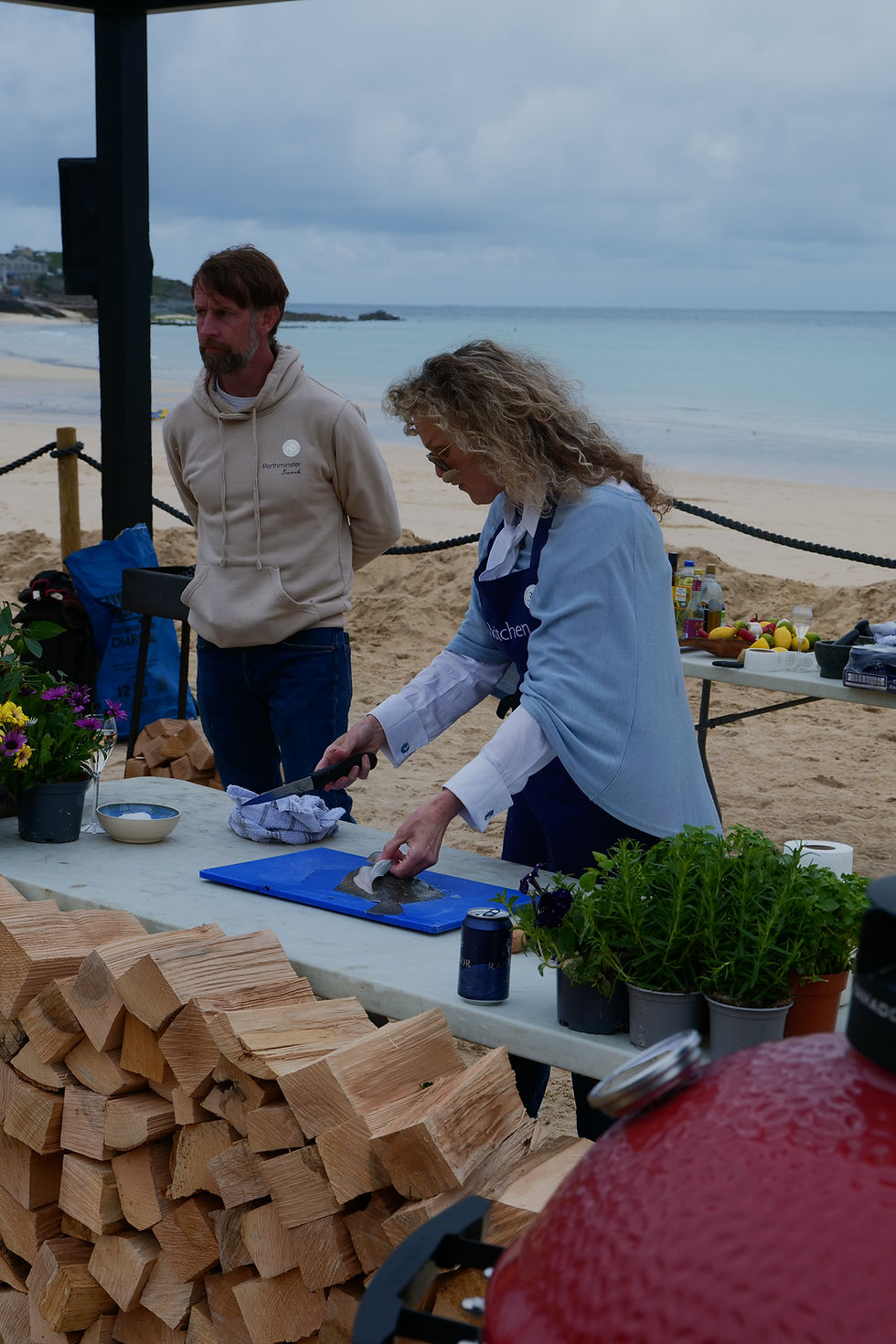
5 knife skills every cook needs to master.

Master the Blade: 5 Essential Knife Skills Every Chef Needs
In the culinary world, your knife is an extension of your hand. Whether you are a home cook looking to speed up meal prep or an aspiring professional aiming for a Michelin star, your efficiency and safety start with how you handle a blade.
At Pareusi, we believe that the right technique doesn't just make cooking faster—it makes it more enjoyable. Here are the five foundational knife skills that will transform your kitchen game.

1. The Proper Grip: The "Pinch"
Before you make a single cut, you need to hold the knife correctly. Many beginners hold the handle like a tennis racket, but this offers very little control.
How to do it: Place your index finger and thumb on the actual blade (just past the handle), "pinching" the steel. Wrap your remaining three fingers around the handle.
Why it matters: This provides maximum leverage and prevents the knife from twisting in your hand.
2. The "Claw" Hand
Safety is the most important skill. The "Claw" is the standard technique for the hand holding the food to ensure you don't lose a fingertip.
How to do it: Curl your fingertips inward toward your palm, using your knuckles to guide the side of the blade.
Why it matters: Even if the knife slips, it will hit your flat knuckles rather than your nails or skin.
3. The Cross Chop (Mincing)
When you need to turn garlic, parsley, or herbs into tiny pieces, the cross chop is your best friend.
How to do it: Place your non-dominant hand flat on the top (spine) of the knife near the tip. Keep the tip on the cutting board and rock the handle up and down in a fan-like motion.
Why it matters: It’s the fastest way to achieve a fine mince without needing precision for every single stroke.
4. The Batonnet and Brunoise
These are the fancy French terms for "sticks" and "tiny cubes." Learning these teaches you the importance of uniformity.
Batonnet: Cutting vegetables into 2-inch long, 1/4 inch thick sticks (like a standard french fry).
Brunoise: Taking those sticks and turning them into perfect 1/8 inch cubes.
Why it matters: Uniformly sized pieces cook at the same rate. No more crunchy carrots mixed with mushy ones!
5. The Rolling Cut (Chiffonade)
This is the most elegant way to slice leafy greens or herbs like basil and spinach.
How to do it: Stack the leaves, roll them tightly like a cigar, and slice through the roll to create long, delicate ribbons.
Why it matters: It prevents the herbs from bruising and makes your plating look professional.
Knife Skill Reference Table
Skill | Best Used For | Difficulty |
The Pinch Grip | Every task | Beginner |
The Claw | Stability/Safety | Beginner |
Cross Chop | Garlic, Herbs | Intermediate |
Batonnet | Fries, Carrots | Intermediate |
Chiffonade | Basil, Kale, Sage | Advanced |
Pro Tip: A sharp knife is actually safer than a dull one. A dull blade requires more force, which increases the chance of it slipping off the food. Keep your tools honed!
and maintain your knives to keep them in peak condition?